


Pet supplements have flooded the shelves and best seller lists in 2024—but are they really worth it for your dog? Here’s a clear, evidence-driven guide for dog owners who want real results and trustworthy answers, not hype or wasted money.
Key Takeaways
- The U.S. pet supplements market is massive and growing, but clinical evidence is strongest only for a few categories—especially select probiotics and some joint formulas.
- Most owner complaints cite “no noticeable effect,” GI upset, or confusion about dosing. Vet guidance is critical to prevent harm, especially for senior or medicated dogs.
- Smart buying means defining the real problem, using a vet-confirmed process, and tracking measurable improvements before continuing spend.
- Quick market snapshot — why now
- Which supplement categories actually show evidence (and which are mostly marketing)
- Common real-world problems owners report (red flags to watch)
- Safety, regulation & veterinarian guidance — what the label doesn’t tell you
- How to decide: a 5-step cost/benefit checklist (are pet supplements worth it?)
- How to choose a product — label, formulation and bioavailability checklist
- Category-by-category guide (what to expect, typical timelines & measurable outcomes)
- Most common competitor blind spots — Top 3 subtopics many pieces miss
- Practical product comparison
- How to measure ROI and when to stop
- Recommended sources & research checklist
Quick market snapshot — why now
The 2024 pet supplements market in the U.S. was sized at approximately $1.13–$1.5 billion, with most analysts projecting a steady rise at 5.3%–6.6% compound annual growth to nearly $2.0 billion by 2033. This isn’t just marketing hype—it’s backed by over 68 million dogs in the U.S. and a growing cultural focus on preventive pet health. While AI-driven personalization, all-in-one formulas, and “natural” marketing claims are everywhere, market consolidation is giving large brands the power to cross-sell treats and supplements together.
This growth is driven mainly by dog owners like you—looking to improve mobility, reduce itching, boost energy, and avoid expensive vet bills. But as recent market reports show, a vast share of this growth is centered on gut and joint products where there is at least some emerging evidence that measurable improvements are possible.
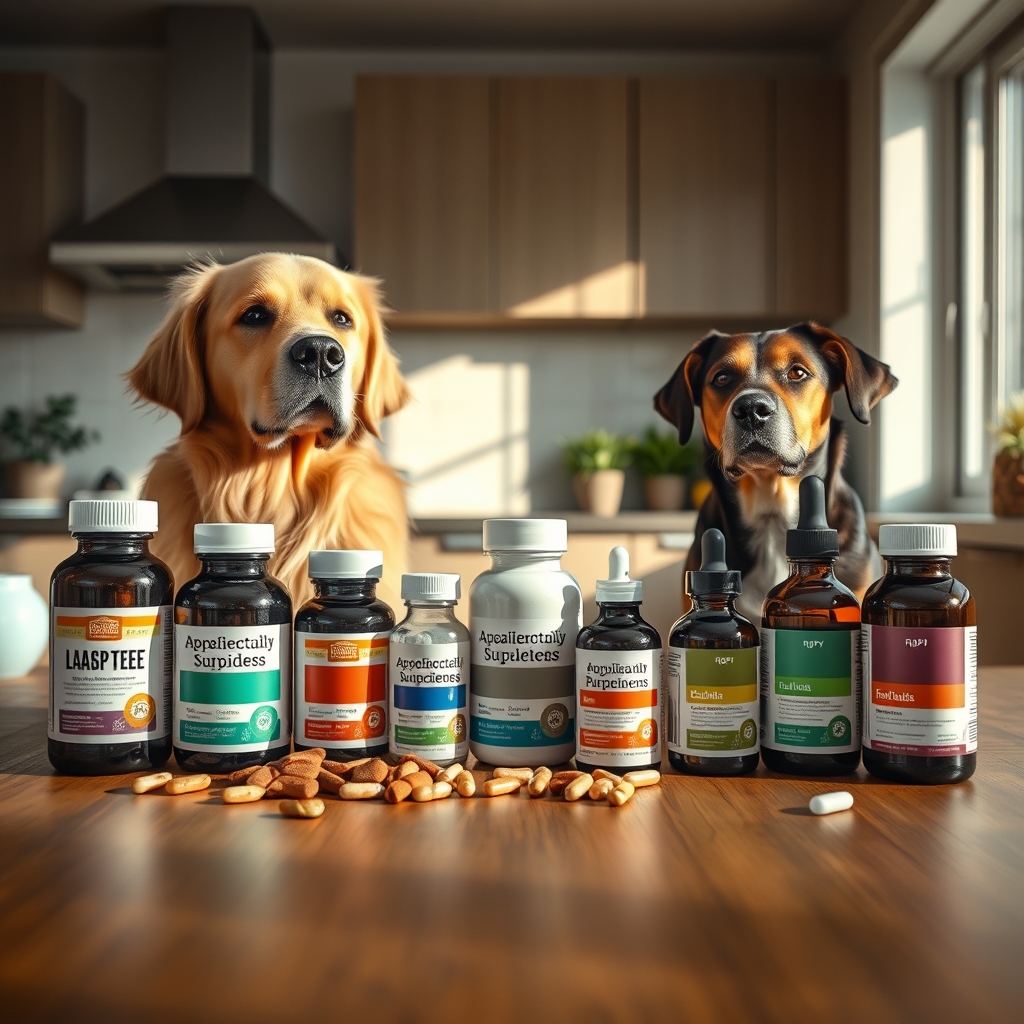
Which supplement categories actually show evidence (and which are mostly marketing)
Let’s break down the best-known dog supplement types and the strength of published data for each. Knowing where science ends and sales talk begins saves time, money, and possibly your dog’s wellbeing.
Probiotics & Gut-Health
Probiotics now account for roughly 38.4% of global market share in pet supplements. Clinical studies in 2024 have shown that a specific postbiotic supplement reduced canine itching by about 20% (source). Probiotic benefits, however, depend entirely on the strain used, dose, and baseline diet. Most generic “digestive” chews offer minimal effect.
Joint Supplements (Glucosamine, Chondroitin, Omega-3)
joint supplement for dogs are widely used, especially for senior pets or those showing stiffness or limping. Some published trials support moderate benefits—noticeable reduction in pain and increased mobility—but results are inconsistent. Omega-3 oils (from marine/fish sources) may decrease inflammation, but only at sufficient doses used in clinical settings.
Dog Multivitamin Chews
Multivitamin chews for dogs are popular. Evidence shows benefits only when a true deficiency exists (rare in dogs on complete commercial diets). Random supplementation offers little measurable gain and can mask underlying health problems.
Skin & Coat Supplements
Skin and coat supplements (often with fish oil, vitamin E, biotin, or zinc) may boost coat shine in some dogs. Clinical results are mixed. A 2024 study on a novel postbiotic ingredient showed a 20% decrease in itch, but not all products contain this ingredient or match the tested dose.
Calming/CBD and Behavior Supplements
Calming/CBD chews and CBD products are trending, but peer-reviewed studies are limited and results can be subtle. Owner-reported improvements can be influenced by expectation or placebo effect. Consult your veterinarian before using any calming supplement, especially with concurrent medications.
Common real-world problems owners report (red flags to watch)
Before spending money on daily supplements or joint supplement products, it’s smart to scan real feedback. Negative experiences consistently crop up in review mining and vet forums:
- No noticeable effect — owners saw no change after the recommended trial.
- Digestive upset — vomiting, diarrhea, drooling, or loss of appetite.
- Allergies and surprising ingredients — soy, chicken, beef, “natural flavorings,” or colorants not clearly disclosed on front labels.
- Confusing dosing — unclear bodyweight ranges, multi-dog households mismatching chews or liquid bottles.
- Product batch inconsistencies — texture, color, or smell changes between orders (a frequent Amazon complaint).
- Drug-supplement interactions — dogs on NSAIDs, steroids, or anticonvulsants are higher risk.
To verify these problems, check the lowest-star reviews on Amazon Best Seller lists for dog supplements, look for trends in vet association alerts, and ask your veterinarian about supplement-related issues reported in VAERS-style client databases.
Safety, regulation & veterinarian guidance — what the label doesn’t tell you
Dog supplements are not regulated like prescription drugs. The U.S. market offers little oversight, so claims on the bottle front aren’t verified by FDA or state health departments. Critical safety tips:
- Consult your vet before starting any new supplement, especially for senior dogs or those on other medications.
- Look for evidence of third-party testing or certifications (e.g., NASC, NSF, or independent batch analysis results).
- Be skeptical of “all-natural” or “organic” claims—these may signal higher ingredient quality, but do not guarantee efficacy or safety.
Industry reporting, such as this review, highlights a growing push for regulatory support. Still, you are largely responsible for fact-checking before buying daily supplements for senior dogs. If your dog is especially vulnerable, ask your vet about prescription nutritional products that are vetted and tested more rigorously.
How to decide: a 5-step cost/benefit checklist (are pet supplements worth it?)
Before purchasing, work through this home test:
- Define the real problem. Is it limping, itching, low energy, or something else? List specific symptoms and how often they happen.
- Confirm any true dietary gap with your vet. Rule out underlying illness or diet imbalance. Bloodwork or elimination diets may be needed.
- Focus only on evidence-backed categories. Prioritize joint supplement for dogs or targeted probiotics over “catch-all” chews.
- Choose a product with proven ingredients and set a clear trial period. Set a timeline—usually 4–8 weeks—for assessing real change.
- Track outcome versus cost. Add up total spend, divide by the improvement (such as itch score drop or stairs climbed), and decide if it’s worth continuing. Be ready to stop if no obvious benefit shows up.

How to choose a product — label, formulation and bioavailability checklist
Don’t just grab a bottle from the best-seller row. Use this checklist for dog supplement vetting:
- Label transparency: Check clear ingredient lists, exact mg per active compound (for your dog’s weight), and any declared allergens. Avoid “proprietary blends.”
- Formulation choice: Oils and liquids are better absorbed than many dry powders. Microencapsulated or “protected” pills may further boost bioavailability. Chews are convenient but may have flavor additives that cause food allergies.
- Batch/lot and lab test reporting: Look for a batch number, clear contact info for the company, and third-party verified test results. Absence of these is a red flag.
- Source of ingredients: U.S., Canadian, or EU-sourced ingredients are often more tightly regulated.
- Cost per month: The best supplements for dogs often cost $20–$65/month, depending on size and dose. Don’t be lured by giant tubs at ultra-low prices.
Current trends favor natural, organic, and personalized formulations (such as AI-selected routines based on genetic or lifestyle testing). Confirm any bold product promise by double-checking its clinical dose against published studies—many “dog multivitamin chews” and skin and coat supplement for dogs use under-dosed quantities for cost reasons.
For more tips on how tech is transforming daily pet routines (including feeding), check our guide to automatic pet feeders.
Category-by-category guide (what to expect, typical timelines & measurable outcomes)
The time to see results varies by supplement category and your dog’s health profile. Here’s what owners should know and measure for each:
- Joint supplement for dogs: Typical benefit shows up after 4–8 weeks. Look for glucosamine hydrochloride, chondroitin sulfate, and high EPA/DHA omega-3s. Measurable outcomes: pain score, stairs climbed, less limping. Stop after 8 weeks if no improvement.
- Probiotics/digestive aids: Some benefits (like firmer stool) can be rapid, within days. Itching, gas, or “overall energy” may take 2–4 weeks. Choose strains and doses replicated in clinical trials. A 2024 study showed a novel postbiotic cut itching by 20%.
- Skin and coat: Anticipate 3–6 weeks for shinier coat or less dandruff when using products with omega-3/fish oil, biotin, or specific postbiotics.
- Dog multivitamin chews: Changes are only noticeable in truly deficient dogs—rare in the U.S. Otherwise, expect no clear outcome.
- Calming/CBD: If effective, results are usually seen within hours to days. Watch for sedation or GI upset.
Daily supplements for senior dogs can be more complex—interactions with medication and unidentified medical conditions are more likely, so partner closely with your veterinarian.
Interested in how other pet owners transform outdoor routines? Learn about private dog parks and cost-saving options.
Most common competitor blind spots — Top 3 subtopics many pieces miss
- Drug–supplement interactions and senior dog risks: Most articles ignore the risk that joint, calming, or daily supplements for senior dogs may interact with common prescriptions (e.g., NSAIDs or anticonvulsants). Always ask your vet to review supplements within the context of all your pet’s meds.
- Formulation and bioavailability differences: Not all chews, liquids, or “protected” capsules have equal effectiveness. For example, omega-3 oils are often better absorbed than powders. Microencapsulation might help protect fragile ingredients. Always check if the form used in the product matches the form used in clinical trials showing benefit.
- Real-world N=1 trials at home: A true test means recording baseline symptoms (itch score, walks per week, etc.), setting a “blind” trial period (without expectation bias), and stopping if there’s no improvement. If your trial fails, escalate to prescription/nutriceutical therapy—don’t just keep adding supplements.
With over 68 million U.S. dogs and probiotics accounting for nearly 40% of the market, these missed pieces are crucial for any honest buyer’s guide, yet they are consistently underreported.
Practical product comparison
Below is a real-world snapshot for six top supplement categories. Actual owner feedback is from Amazon Best Sellers and visible review patterns only (no personal data used):
| Category | Common Active Ingredients | Estimated Time to Benefit | Cost/Month | Primary Measurable Benefit | Top Safety Flag | Sample Product(s) | Where to Find Owner Complaint Data |
|---|---|---|---|---|---|---|---|
| Probiotic/Gut Health | Specific strains, postbiotics | 7–28 days | $18–$45 | Stool quality, less itching | GI upset, strain mismatch | Pet Honesty Digestive Probiotic Chews | Amazon low-star reviews, vet forums |
| Joint Support | Glucosamine, chondroitin, MSM, fish oil | 4–8 weeks | $25–$65 | Mobility, less limping | Drug interactions, shellfish allergy | Cosequin DS Plus MSM Chewable Tablets | Amazon reviews, independent vet sites |
| Dog Multivitamin Chews | Vitamin A, E, D, B-complex, minerals | 2–4 weeks (if deficient) | $14–$40 | Rare—mostly preventive | Overdose, no clear benefit | Zesty Paws Multivitamin Bites | Amazon, vet forums |
| Omega-3 (Skin/Coat) | Fish oil, DHA, EPA | 3–6 weeks | $17–$38 | Shinier coat, less shedding | Rancidity, GI upset, dose errors | Grizzly Salmon Oil | Amazon, dog owner groups |
| Skin & Coat (non-oil) | Biotin, vitamin E, zinc, postbiotics | 4–8 weeks | $22–$47 | Itch score, shine | Unproven mixes | PetLab Co. Multivitamin Chews | Amazon, ingredients panel |
| Calming/CBD | CBD isolate, l-theanine, melatonin | 1–7 days | $17–$65 | Restfulness, less barking | Drug or sedation risk | +PlusCBD Pet Chews | Amazon, pet anxiety forums |
For context on broader lifestyle tech, read our Amazon Echo Dot review for how smart home helpers can keep pet routines simpler.

How to measure ROI and when to stop
Here’s a straightforward way to track supplement value in your home, based on both cost and objective improvement:
Printable Quick Checklist
- Baseline metric: Write a starting score (e.g., stairs climbed per day, itch scale 1–10, stool score, coat shine 1–5).
- Weekly check-ins: For 4–8 weeks, jot down changes every Sunday evening.
- Cost-per-improvement: Total supplement cost ÷ your improvement metric equals cost per “unit” of benefit (e.g., $35/month ÷ 2 fewer limp days = $17.50 per improvement).
- Decision point: If after 8 weeks there’s no measurable benefit, stop.
Sample Vet Conversation Script
- “I’m considering this supplement for [problem]—do you see clinical benefit in situations like ours?”
- “Are any of these ingredients risky with [current drug] or my dog’s specific breed/age?”
- “How should I measure improvement objectively at home?”
- “If no change after 8 weeks, should we try a veterinary diet, medication, or other interventions?”
Remember, a strong example: In the 2024 postbiotic study that showed a 20% improvement in itching, results were only visible when owners tracked itch day by day and compared to the cost and stress of ongoing care.
If you’re also updating your pet’s daily feeding tech, compare the best connected home options for pet families.
Recommended sources & research checklist
Never rely on hype or paid ads. Here’s a research workflow to protect your wallet and your dog’s health when considering pet supplements:
- Peer-reviewed studies (PubMed, vet journals) for any health claim about efficacy—look for at least one published trial supporting the specific ingredient and dose claimed.
- Amazon/retailer review mining for adverse reports and common complaints. Most “no effect” or GI upset feedback is evident within low-star reviews.
- Check vet association guidance for red flags, especially when using daily supplements for senior dogs or those with complicated medical history.
- Consult current market reports for context on price and trends (e.g., see Accio Best Seller Amazon report, industry analysis at Promarketer).
Finally, don’t forget to use objective, numbers-based processes for all pet purchases. Hidden costs and hype are everywhere—from supplements to treat-dispensing robots, and even peel and stick wall decals for your pet room upgrades.
Conclusion
Are pet supplements worth it? Not always. The data shows some dog supplements—mainly select probiotics and joint products—do help, but only in specific, confirmed situations, at tested doses, and with careful symptom tracking. Make every purchase a numbers-driven trial, stay skeptical, and work with your vet for best outcomes. Start today by mapping out what you want to improve, collect baseline scores, and use this article to filter real solutions from marketing fluff.
Still have pet health questions? Share this guide with a friend or bring it to your next vet visit for a second opinion.
FAQ
Are pet supplements safe for all dogs?
No. Some supplements interact with medications or aggravate allergies, especially in senior or chronically ill dogs. Always consult a veterinarian before starting any supplement.
How long does it take to see results from a joint supplement for dogs?
Most joint supplements require 4–8 weeks of consistent dosing before visible improvement. If your dog shows no difference after that period, consider other therapies.
Can I use multiple pet supplements at once?
Stacking products raises the risk of overdosing or adverse interactions. Always have your veterinarian review the full supplement list along with any medications.
Do daily supplements for senior dogs really help?
Some senior dogs benefit from targeted supplements (e.g., joint, omega-3) for specific deficiencies or issues. Generic multivitamins generally help only if there’s a proven deficiency.
Where can I find reliable reviews and owner complaints about dog supplements?
The most candid feedback is found in low-star Amazon reviews, breed forums, and independent vet-run product discussion boards.
[…] To support your pet’s health long-term, consider our review of the best pet supplements for dogs. […]
[…] treats, not a substitute for prescribed therapies or balanced nutrition. For more general advice on pet supplements for dogs, see our evidence-based buying […]
[…] more on dog enrichment safety, see our guide to pet supplements and consult your vet if your dog has dietary […]
[…] Pet supplements may help ease transitions for anxious or senior animals if boarding is required. […]