


### Blog Post:
Tick borne disease can strike even the most watchful dog owners. If you live in a suburban or rural area and enjoy the outdoors with your pets, the evidence from new 2024 data is clear—tick risks are real, rising, and region-dependent. Here’s how to actually protect your dog, your home, and yourself with steps that matter now, not just theory.
Key Takeaways
- Over one in four adult ticks removed from dogs in 2024 carried Borrelia (Lyme pathogen)—real exposure, not just theory.
- Regional and seasonal risks vary. Know your area’s tick season and adapt prevention methods.
- Routine checks, safe product choices, and correct tick removal are critical for protecting both your dog and household.
- Why this matters: how common are tick pathogens on dogs’ ticks?
- Regional risk snapshot — where dog owners should be most alert
- How often are dogs (and their owners) actually finding ticks?
- Signs of tick fever in dogs — what to watch for and when to call the vet
- Tick season 2026 — timing, variations, and monitoring
- Prevention toolbox for dogs — collars, oral/topical meds, and best practices
- Yard tick treatment — safe, effective steps to reduce ticks at home
- Tick removal and tools — step-by-step for dog owners
- Common consumer concerns and what the evidence does/doesn’t show
- Quick action checklist — daily/weekly/monthly tasks and emergency steps
- What’s missing in current coverage — research and reporting gaps for owners
- Resources and citations — where to go for local risk maps, product recalls, and vet guidance
- FAQs
Why this matters: how common are tick pathogens on dogs’ ticks?
Ticks picked up by your dog are not harmless: a 2024 research study showed that 26.2% of adult ticks removed from dogs contained Borrelia DNA (the agent of Lyme disease), and 9.3% tested positive for Rickettsia, which includes pathogens for Rocky Mountain spotted fever. The risk of tick borne disease isn’t theoretical: if your dog encounters even a handful of ticks this season, the chance that at least one carries a harmful pathogen is significant. Dogs act as sentinels for household exposure—when your pet picks up a tick, everyone in the home is at higher risk too.

Regional risk snapshot — where dog owners should be most alert
Tick exposure and tick borne disease risk depend heavily on where you live and roam. For instance, Lyme disease is still prevalent in North Carolina, especially the northwest. Rocky Mountain spotted fever remains widespread across much of the eastern US, particularly the Southeast. The CDC and state health agencies update maps every season—always check these resources before long hikes or travel. In the Midwest and Northeast, Lyme and anaplasmosis are common; in the Southeast, be especially cautious of ehrlichiosis and spotted fevers. Warmer climates and shorter winters mean the tick season length 2026 may stretch most of the year—not just the summer months.
For more about keeping your pets happy and active outdoors, see our private dog park safety guide.
How often are dogs (and their owners) actually finding ticks?
If you think “it won’t happen to us,” new household data says otherwise: in a 2024 household study, a striking 63% of pet-owning homes found a tick—either on a person or somewhere in the home (Tamari et al., 2024). This means regular owners, not just people living next to forests, are finding ticks on pets, people, sheets, and furniture. The connection between dogs and yard tick exposure is real. That’s why both pet-based tick control for dogs and yard tick treatment matter: skipping either step leaves your home vulnerable.
Get more practical yard solutions in our outdoor plug setup guide for pet-friendly upgrades.
Signs of tick fever in dogs — what to watch for and when to call the vet
Spotting the signs of tick fever in dogs early is vital, because symptoms can be mild and are easy to miss. With Lyme disease, early signs are subtle: mild stiffness, shifting leg lameness, or just being less active. In ehrlichiosis, acute symptoms can include a fever, loss of appetite, breathing changes, vomiting, or swelling. These signs usually resolve in 1–2 weeks, but chronic infection can later cause major bleeding, weight loss, and even neurological issues (Merck Animal Health).
Yearly tick disease screening is often recommended for dogs in high-risk areas—ask your vet what makes sense for your dog. Chronic untreated tick borne disease can be disabling or fatal, so address any new symptoms, especially if your dog spends time outdoors.
To support your pet’s health long-term, consider our review of the best pet supplements for dogs.
Tick season 2026 — timing, variations, and monitoring
The classic advice is to focus on tick season in spring, summer, and fall. However, in warmer climates and during mild winters, ticks can be active year-round (AKC guidance). For 2026 and beyond, local conditions define your timeline more than the calendar. The best way to check what’s happening in your county: look up local health department tick bulletins or consult your vet. Tick activity can spike after warm weekends and heavy rains.
Check your dog (and yourself) every day after being in grassy, wooded, or brushy areas. Don’t forget under collars, between toes, and throat folds. If you hike or travel, always ask about tick season length 2026 and regional disease patterns before you go.
Prevention toolbox for dogs — collars, oral/topical meds, and best practices
The best tick control for dogs combines the right products with routine habits. Choices include:
- Tick collars: Some, like the best tick collar for dogs, offer months of control, but require correct fit and periodic manufacturing updates. Always check for recall info.
- Oral preventives: Chewables are convenient but may cause rare side effects in some dogs (vomiting, diarrhea, rare neurological signs). Follow your vet’s advice on best match.
- Spot-on treatments: Topical formulas can repel as well as kill ticks, but many wash off if your dog swims or gets frequent baths.
Pairing a reliable collar with either an oral or topical product offers layered protection—especially for active dogs who hike or camp. For backyard pets, a single product may be enough, but always read manufacturer directions and consult your vet for your specific case.
When evaluating the best tick collar for dogs, remember that independent user complaint data is limited, so prioritize vet recommendations and monitor your dog closely for any reactions during the first week of use.
Interested in other smart pet upgrades? Check out our review of automatic pet feeders for reliable feeding routines.
Yard tick treatment — safe, effective steps to reduce ticks at home
You can make your property much less attractive to ticks—but only by combining landscape changes, smart treatment, and safety for both people and pets. Here’s what works:
- Keep lawns and vegetation trimmed—Tall grass is tick heaven.
- Create a tick-safe zone—Place wood chips or gravel borders between grassy areas and patios/play areas.
- Apply targeted yard tick treatment—Select EPA-registered products and strictly follow exclusion times to keep pets and kids safe. Most products require that pets stay off treated areas for several hours until dry.
- Remove leaf litter/clutter—Ticks like moist debris piles.
- Consider professional treatment for high-infestation areas, but confirm what chemicals are used and for how long animals should be kept off treated areas.
Because 63% of pet households reported finding ticks indoors, combining pet protection and regular yard tick treatment is the only way to close exposure gaps. Remember, new infestations often come from wildlife (deer, rodents) entering the yard, not just your dog.
For renter-friendly outdoor upgrades that don’t invite pests, see our piece on smart outdoor outlets.
Tick removal and tools — step-by-step for dog owners
Prompt, careful tick removal is your best defense: tick-borne infection can begin as soon as 3–6 hours after a bite (AKC).
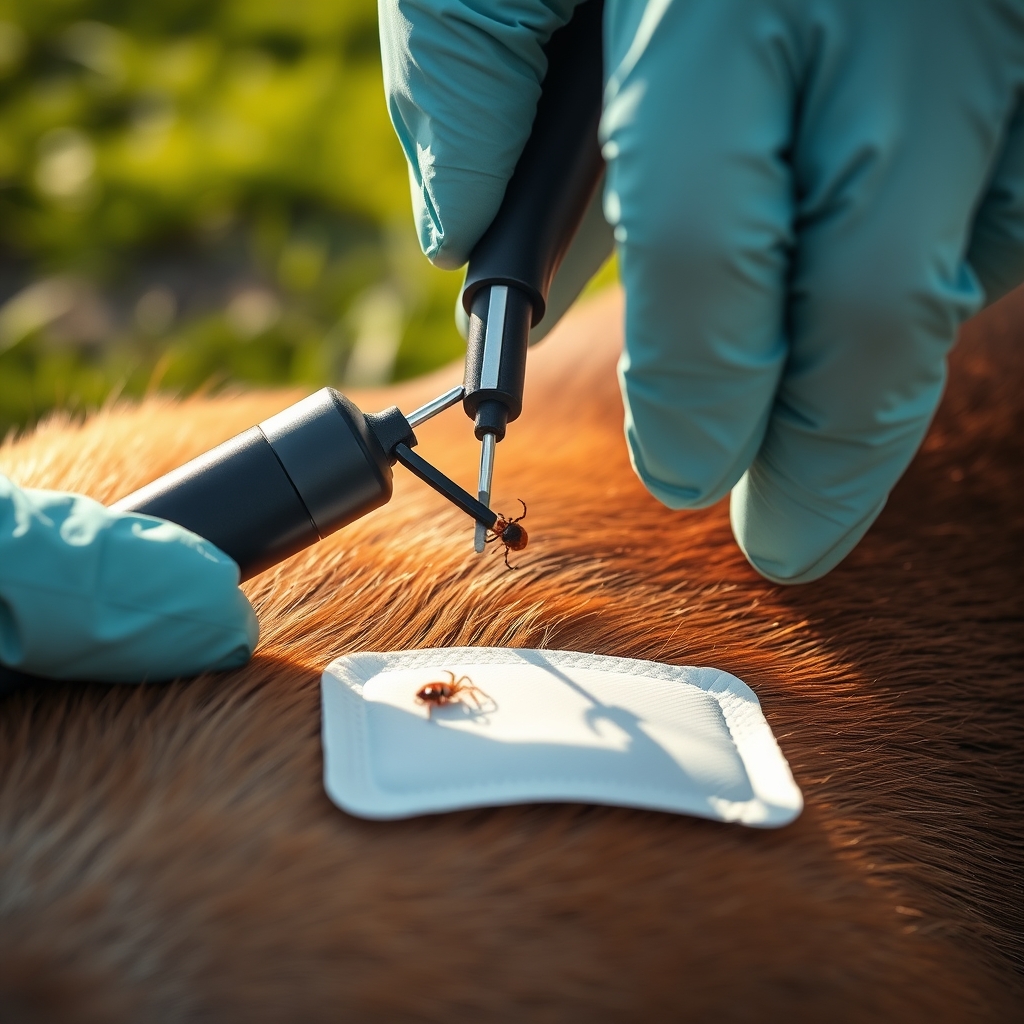
- Use a tick removal tool for dogs or fine-tipped tweezers. Grasp the tick near the skin and pull upward with steady, even pressure.
- Avoid twisting—this may cause mouthparts to break off.
- Do not “burn” or smother ticks with petroleum jelly or oils. These methods increase infection risk.
- Save the tick in a sealed bag with the removal date for vet identification if symptoms develop.
- Clean the area with soap and water, then monitor your dog over the next 2–4 weeks for any symptoms.
Daily tick checks and correct removal reduce both pet and human infection risk. Need backup for removing embedded ticks? Some vets stock tick removal tools for dogs with extra-long handles and grip for even thick-coated breeds.
Common consumer concerns and what the evidence does/doesn’t show
Worried about tick collar safety, “chemical” exposure, or products not working? You’re not alone. But it’s important to know there are gaps in consumer complaint data. No published reports break down issues for specific brands of tick prevention or yard treatments. Product reviews can be useful, but always combine them with veterinary advice, check for FDA or EPA recalls and updates, and follow all label precautions. Remember, re-infestation happens when wildlife bring ticks back—no product can guarantee a tick-free yard with 100% certainty.
If you have a reactive dog, consider safer play solutions—see our private dog park guide for extra peace of mind.
| Concern | What We Know | What’s Missing | Recommended Action |
|---|---|---|---|
| Product side effects (collars, orals) | May occur, but no systematic breakdown for each brand | No real-world complaint summary available | Monitor, report issues to your vet, check FDA recalls |
| Yard product pet safety | Follow manufacturer exclusion rules strictly | No database of pet reactions/complaints for yard sprays | Hire reputable professionals, ask what they use |
| Backyard reinfestation | Wildlife reintroduce ticks constantly | No “permanent” yard solution exists | Combine landscape, product, and monitoring steps |

Quick action checklist — daily/weekly/monthly tasks and emergency steps
- Daily: Tick check your dog (and yourself) after all outdoor activity. Check fur, ears, armpits, and between toes. tick removal tool for dogs right away if needed.
- Weekly: Inspect your yard. Remove leaf litter, check for tall grass, and monitor fence gaps (rodents/deer bring ticks).
- Monthly: Re-apply spot-on treatments or check tick collar fit. Review manufacturer advisories; book vet screening if you’re in a risk area or see symptoms.
- If you remove a tick: Save it, clean the area, and monitor for signs of tick fever in dogs (fever, weakness, swelling, reduced appetite). Call your vet if you’re unsure.
- Emergency: If your dog suddenly can’t walk, is bleeding, or shows severe lethargy, contact your vet immediately.
Fact: The majority (99%) of ticks removed from pets in 2024 were adults, and 26.2% contained Borrelia; 9.3% contained Rickettsia. These numbers show why action at every level—pet, yard, and household—matters.
For advice on keeping your yard both pet-friendly and safe, check our guide to renter-friendly home upgrades for inspiration.
What’s missing in current coverage — research and reporting gaps for owners
Despite new 2024 data on tick pathogens in ticks, there’s little published on actual disease rates in dogs or comprehensive real-world product issues. Most published studies focus on pathogen rates in ticks themselves, not rates of sick dogs, making it hard to compare brands or prevention strategies. Likewise, there’s no database listing user complaints or field failures for leading tick control for dogs or yard products—meaning owners must rely heavily on manufacturers, regulatory alerts, and individual vet advice. Regional tick season length is still too often based on broad climate zones, not local microclimates.
Get the latest local risk details by checking with your state health department or your veterinarian’s website—both update tick borne disease trends regularly.
Supplements can also help with overall pet health and resilience—read more in our in-depth dog supplement review.
Resources and citations — where to go for local risk maps, product recalls, and vet guidance
- State and local health departments: Best source for accurate, region-specific tick activity and tick disease stats. For example, see the North Carolina Tickborne Disease Annual Report 2024 for detailed data and heatmaps.
- Centers for Disease Control and Prevention (CDC): Up-to-date US maps and prevention recommendations for both pets and owners. CDC tick resource center.
- Merck Animal Health: Full rundown of disease types and symptoms in pets, plus prevention FAQs. Merck tick-borne diseases page.
- Your veterinarian: Personalized advice on product selection, tick testing, and area-specific screening plans.
For home and tech-focused pet care, see our reviews on automatic pet feeders and smart plug solutions for pet owners.
FAQs
What is the fastest way to remove a tick from my dog?
Use a tick removal tool for dogs or fine-tipped tweezers. Grasp as close to the skin as possible and pull straight out with steady pressure. Do not twist or apply oils.
How do I know if my dog has tick borne disease?
Signs of tick fever in dogs range from mild (stiffness, decreased activity) to severe (bleeding, swelling, lameness). Many cases are subtle; always consult your vet if you see changes after a tick bite or active season.
Which tick prevention is safest for dogs?
Choose products recommended by your veterinarian and approved by regulatory bodies. Some dogs react to certain ingredients—monitor closely after starting new tick control for dogs and report adverse events to your vet.
Can ticks in my yard make my whole household sick?
Yes, ticks can travel indoors on pets or clothing. 63% of pet households reported finding ticks in their homes in 2024, so yard tick treatment and pet checks both matter.
Should I use both a collar and a topical/oral tick preventive?
For high-risk dogs or in known hotspots, pairing products (with vet guidance) often gives the strongest protection. Monitor for sensitivity when combining methods.
[…] For DIY cat health record keeping, try integrating scores with other wellbeing checklists, such as grooming routines or tick prevention (covered in our tick-borne disease prevention guide). […]