


### Blog Post:
Cat grimace scale is the gold standard tool for spotting facial signs of pain in cats, even before obvious changes in behavior or mobility. If you care for an aging indoor cat and want an evidence-based, step-by-step way to decide when pain warrants a vet visit, this practical guide is for you.
Key Takeaways
- The feline grimace scale uses five facial features to detect pain, with strong scientific validation—making it the most repeatable visual tool for owners.
- Photographing your cat’s face and scoring with the FGS chart helps spot early signs of pain, but some breeds and situations can confound results.
- Facial cues must be combined with changes in behavior; clear red flags always require veterinary care—FGS is not a replacement for a clinical exam.
- What is the Feline Grimace Scale (FGS)?
- Step-by-Step: How to Use the Cat Grimace Scale at Home
- Advanced Analysis & Common Pitfalls
- Conclusion
- Frequently Asked Questions
What is the Feline Grimace Scale (FGS)?
The cat grimace scale is a facial scoring tool created by veterinary researchers to help caregivers detect pain by assessing five feline “action units”: ears, orbital tightening (eye squint), muzzle tension, head position, and whiskers. Each feature gets a 0-2 score from photos or real-time viewing, then averaged for a total. This scale is different from behavior-only pain scales: it’s standardized, repeatable, and designed for both clinical and home use [Scientific Reports 2019].
The landmark validation study included 110 cat images and showed outstanding accuracy. The feline grimace scale achieved an AUC of 0.94 (95% CI: 0.89–0.98)—meaning it correctly distinguished painful from pain-free cats 94% of the time. With a cut-off of 0.39, sensitivity was 90.7% and specificity 86.6%. The FGS is especially useful because it visualizes pain cues most humans usually miss: subtle ear rotation, cheek flattening, and short-lived head position changes that may not show up in behavior until pain is severe.

Unlike the behavior-based Glasgow or UNESP-Botucatu scales—which can be time-consuming and include hard-to-judge actions when pain is mild—the FGS lets you use your phone camera or careful observation for fast, repeatable checks. It shines in early pain detection, though it is not foolproof; certain breeds and drug effects can muddy the picture (covered later).
Step-by-Step: How to Use the Cat Grimace Scale at Home
Follow these evidence-backed steps to get accurate feline grimace scale scores for your own cat. All you need is decent lighting and a smartphone or digital camera.
1. Prepare Your Cat and Your Tools
- Pick a time when your cat is resting but awake. Avoid right after waking or when sleepy.
- Ensure faces are clean and unobstructed; avoid post-grooming sessions.
- Set up your space with gentle, indirect lighting (never use a flash).
2. Capture a Clear Facial Photo
- Hold your phone or camera about 1-2 feet away at eye level with your cat.
- Shoot from directly in front—no angle from above or below.
- Take multiple shots quickly (cats move fast). Try to catch a “neutral” moment and a “resting” face.
3. Score the Five FGS Action Units
- Ears: 0 (forward), 1 (outwards/slightly rotated), 2 (flattened or back)
- Orbital Tightening (Eyes): 0 (open), 1 (squinting), 2 (closed or almost closed)
- Muzzle Tension: 0 (rounded/relaxed), 1 (flattened), 2 (pronounced tension/flattened strongly)
- Whiskers: 0 (relaxed to side), 1 (slightly forward), 2 (very forward or pulled back tightly)
- Head Position: 0 (neutral), 1 (moderately lowered), 2 (clearly below shoulder line or chin to chest)
Add up each feature, then divide by five. Any score >0.39 (the validated pain threshold) suggests likely pain [dvm360]. Track these scores over time for trends, not just one-off verdicts.
4. Interpret & Decide Next Steps
- If total score is below 0.39 and behavior is unchanged, monitor and keep a record.
- If 0.39 or higher—especially with changes in grooming, eating, or litter habits—plan a veterinary check (more on red flags below).
Always combine the feline grimace scale chart with behavior monitoring. For more tips on supporting cat health and routines, see our hands-on guide to cat feeders and cat-friendly home upgrades.
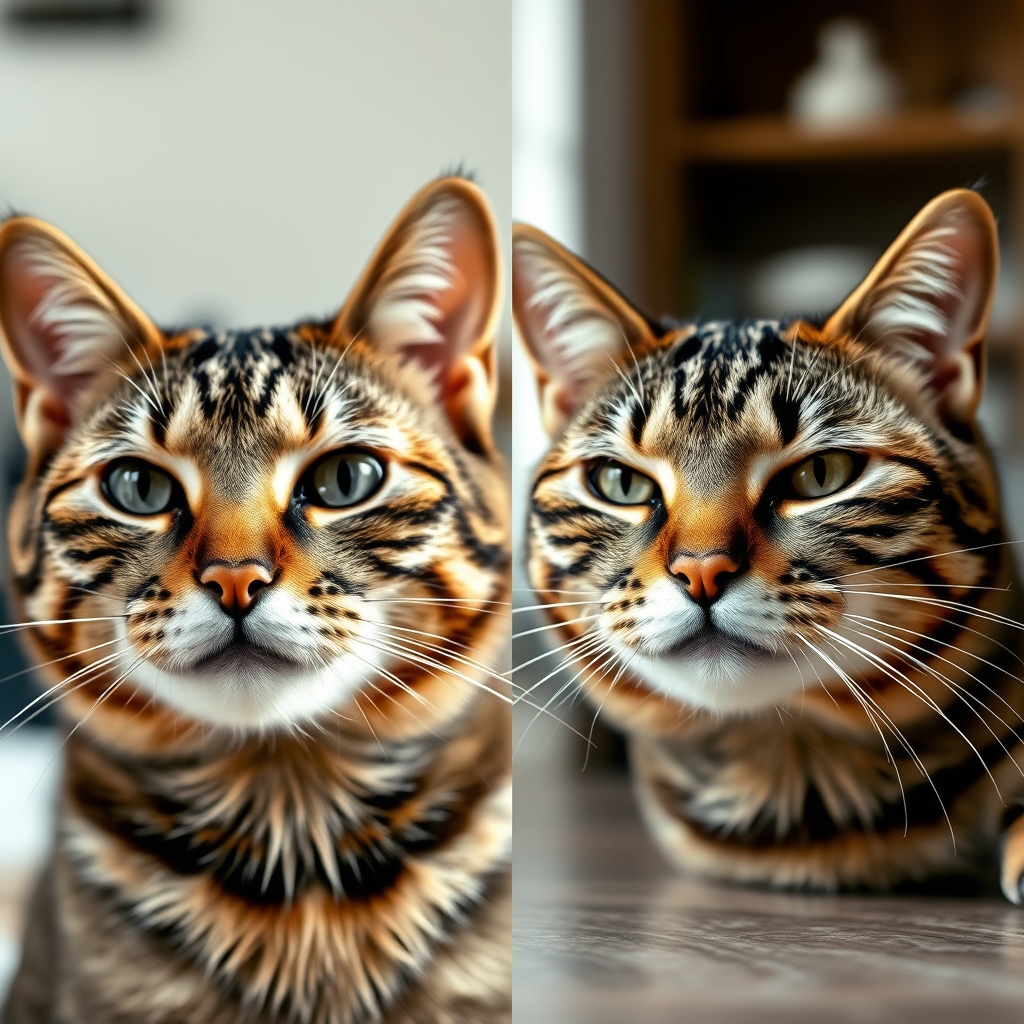
5. Troubleshooting: When Results are Unclear
- Look for paired before-and-after images. If your cat has a flat face (brachycephalic breed), orbital tightening and muzzle cues are much harder to judge.
- If your cat is on sedation, recovering from anesthesia, or has eye problems, the FGS may mislead—contact your vet for advice.
For DIY cat health record keeping, try integrating scores with other wellbeing checklists, such as grooming routines or tick prevention (covered in our tick-borne disease prevention guide).
Advanced Analysis & Common Pitfalls
How Accurate Is the Feline Grimace Scale vs. Other Methods?
The FGS is supported by robust peer-reviewed data: AUC 0.94, sensitivity 90.7%, specificity 86.6% (Scientific Reports 2019). Recent deep-learning models applied to facial grimace scoring reported up to 97% precision and 93% accuracy (Frontiers 2025), opening new doors for future home use. However, researchers have not published direct accuracy comparisons between FGS and long-form behavioral scales.
| Tool | Validated AUC | Ease of Use | Major Limits |
|---|---|---|---|
| Feline Grimace Scale (FGS) | 0.94 | Easy at home | Brachycephalic/eye injury confounds |
| Glasgow CMPS-F | Not specified | Time-consuming, needs handling | Some facial cues included only in new version |
| UNESP-Botucatu Scale | Not specified | Long, behavior-heavy | Not breed-adjusted; complex scoring |
When the FGS Can Mislead
- Brachycephalic (flat-faced) cats: Facial muscle landmarks are less visible, reducing accuracy.
- Cats with eye conditions (ocular pain, post-surgery): Eye changes may reflect disease or medication, not only pain.
- Cats under sedation or strong pain meds: Drugs alter face/behavior in non-specific ways.
- High-strung or shy cats: Exaggerated expressions might mimic pain, so combine facial and behavioral data.
Behavioral Red Flags to Watch (Include With FGS)
- Sustained hiding or withdrawal—cats often conceal discomfort [Pet Loss at Home]
- Decreased grooming or sudden increase in self-licking
- Changes in litter box habits or accidents
- Unusual stillness or reluctance to move
- Sudden irritability, hissing, or avoidance of touch
Research repeatedly shows that cats with pain are frequently under-treated; behavior changes may be the first sign when facial cues are subtle. Early action is crucial. Learn more about behavior-based monitoring in our guides to pet wellness routines and supplements for older pets.
What Frustrates Cat Owners About the FGS?
While peer-reviewed literature does not report direct user frustrations about at-home use of cat grimace scales, user anecdotes often cite:
- Trouble getting clear photos of restless cats
- Uncertainty about scoring subtle changes
- Lack of annotated visual guides in most online resources
This is an important research gap: no published studies address owner feedback or confusion directly. Testing new annotated photo guides with real owners before publication is highly recommended.

Other limitations include inability to distinguish some non-pain states (such as sedation, medical illnesses, or cats’ unique “normal” faces) from true pain. FGS should always be combined with behavioral signs and, when in doubt, professional veterinary opinion.
Conclusion
The feline grimace scale is the most scientifically validated tool for visually screening pain in cats, especially valuable for diligent owners of senior cats like you. Careful scoring—paired with changes in behavior—offers a realistic and repeatable way to spot hidden pain. However, FGS cannot replace a thorough veterinary exam, especially when red flag signs or confusing results appear. When in doubt, bring your cat and your photos to your veterinarian for tailored advice.
Ready to take charge of your cat’s comfort? Print our checklist, test the scoring chart on your own cat, and provide your feedback to help improve future feline pain tools. Don’t let subtle cat pain go undetected—start using the cat grimace scale today.
Frequently Asked Questions
What is the cat grimace scale, and why is it better than behavior-based charts?
The cat grimace scale uses photos or direct observation of your cat’s face, scoring five specific facial features that change with pain. Unlike behavior-based charts, it’s validated for accuracy, quick to use at home, and can help spot pain before your cat withdraws or stops eating.
Can I use the grimace scale for flat-faced (brachycephalic) cats?
It’s challenging. Some facial features, especially the eyes and muzzle, may not show normal pain cues. It’s best to combine the FGS with behavioral monitoring, or consult your vet about alternative methods.
What does a score above 0.39 mean on the feline grimace scale chart?
A score above 0.39 (the scientifically validated cutoff) means your cat is likely in pain. Combine this finding with any sudden behavior changes or new symptoms, and contact your veterinarian for advice before starting any treatments.
What are the warning signs that mean I should see a veterinarian immediately?
Major red flags include: total loss of appetite, persistent hiding, rapid weight loss, panting, open-mouth breathing, or any injury. In these cases, immediate veterinary care is needed regardless of grimace score. Never give over-the-counter pain meds without professional supervision.
Are there smart or automated ways to score the feline grimace scale?
Emerging research, including 2025 deep-learning models, shows up to 97% precision using computer vision and smartphone apps. These are promising, but not yet widely available to consumers. Skilled human scoring, when possible, remains the gold standard for now.
—
[…] more on detecting pain or anxiety in pets, check out our guide on the cat grimace scale—a tool rooted in real veterinary science, not AI […]